by

Why They Can Eat One Day and Not the Next: Understanding Fluctuating Capacity Around Food

“But they ate this last week.” It’s an understandable observation. If a young person managed to eat a particular food or meal before, it’s natural to...

Read More →

by

Coming September 2026: Flush Forward! A Friendly Toileting Guide for Parents Supporting Disabled and Neurodivergent Young People

I'm delighted to be sharing my book, Flush Forward! A Friendly Toileting Guide for Parents Supporting Disabled and Neurodivergent Young People, publishing...

Read More →

by

Subscribe to My Substack

My Substack is the central hub for all of my resources, bringing together the latest articles, practical tools, and updates across the topics I work in. ...

Read More →

by

Why School Often Changes Eating

Parents and carers often tell me, “They eat so much at home, but barely touch anything at school.” Others describe: a young person who comes home from...

Read More →

by

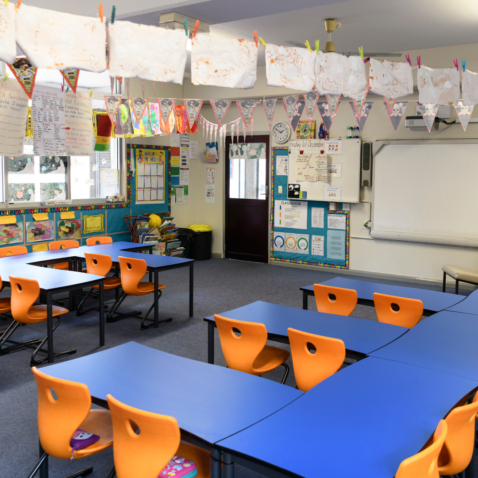
The Pupils We Miss: Quiet Sensory Distress in the Classroom

There are pupils in every classroom who never “cause concern.” They are not throwing chairs. They are not shouting. They are not refusing work loudly...

Read More →

by

Constipation in Young People What It Is, Signs to Look For, and When to Seek Support

Constipation is one of the most common challenges families experience when supporting young people with toileting. It can affect people of all ages and it can...

Read More →

by

Talking with Your Young Person About Dyspraxia: Gentle Conversations and Respectful Support

You might be wondering when to talk to your young person about dyspraxia. Or how. You might be worried about saying too much, saying the wrong thing, or...

Read More →

by

Advocacy Language for Parents: Talking to Professionals About Dyspraxia

When you’re parenting a young person who finds everyday tasks hard, you often sense that something needs understanding long before you have the words for...

Read More →

by

Levelling Behaviour: When Students Try to Even the Playing Field

In every classroom, there are moments when a student suddenly pushes back - hard. They might snap, mock, refuse, storm off, or say something that sounds deeply...

Read More →

by

Bumpy vs Spiky Learning Profiles: Why the Difference Matters More Than You Think

In education, we talk a lot about ‘meeting learners where they are.’ But too often, we imagine that learning differences fall along a straight line with...

Read More →

by

Rethinking Behaviour Controls for PDA: Why Sticker Charts and Tokens Don’t Work

If you’ve tried using sticker charts, token systems, or traffic light behaviour charts with a PDAer, you may have noticed they don’t usually work and...

Read More →

by

Neurodivergence, PANS & PANDAS Conference: Free Access to Webinar Recording and Resources

Helen Edgar of Autistic Realms and I spoke at the October 2025 PANS/PANDAS UK Conference, hosted by the PANS/PANDAS UK charity. Our...

Read More →

by

Hidden Health: Judging Labels That Miss the Real Story

At the Nurture Programme Trauma Conference, October 2025, I shared my talk Hidden Health: How Unrecognised Needs Add to Trauma. One of the areas I explored...

Read More →

by

Starting the Conversation About Neurodiversity at Work: Practical strategies for raising awareness

Before our Neurokindred webinar, Creating Safe Spaces for Autistic People: Everyday Practices for Individuals and Organisations, attendants were invited to...

Read More →

by

Equality of Access Through Equity: A Snapshot of our Safe Spaces Presentations

At the start of October, Scott Neilson and I were invited to share more about the ideas behind our book Creating Safe Spaces for Autistic...

Read More →

by

What Is Diagnostic Overshadowing and Why Does It Matter?

Have you ever gone to the doctor with a concern, only to have it dismissed as ‘part of’ your disability, neurodivergence, or mental health diagnosis?...

Read More →

by

New School Year, Same Lunch Every Day

The new school year is here - new shoes, new teachers, new pencil case… and maybe, the exact same lunchbox as last year. Every. Single. Day....

Read More →

by

Understanding Food Choices Beyond ‘Picky Eating’: Medical Conditions and Their Impact on Eating Habits

Food choices and eating habits are often viewed through a behavioural lens, with labels like 'picky eating' commonly used to explain them. In my work, it’s...

Read More →

by

‘Slow Eaters’: Understanding and Supporting Different Paces

Eating slowly can sometimes be misunderstood. We live in a culture that often values speed and efficiency, even at mealtimes.  If you or someone you care for...

Read More →

by

“Who Decided This?” Listening to PDA Young People About School Disconnection

I recently spent time with a group of older primary and early secondary-aged young people and their parents. We were gathering to talk about self-care tasks in...

Read More →

Close Search Window