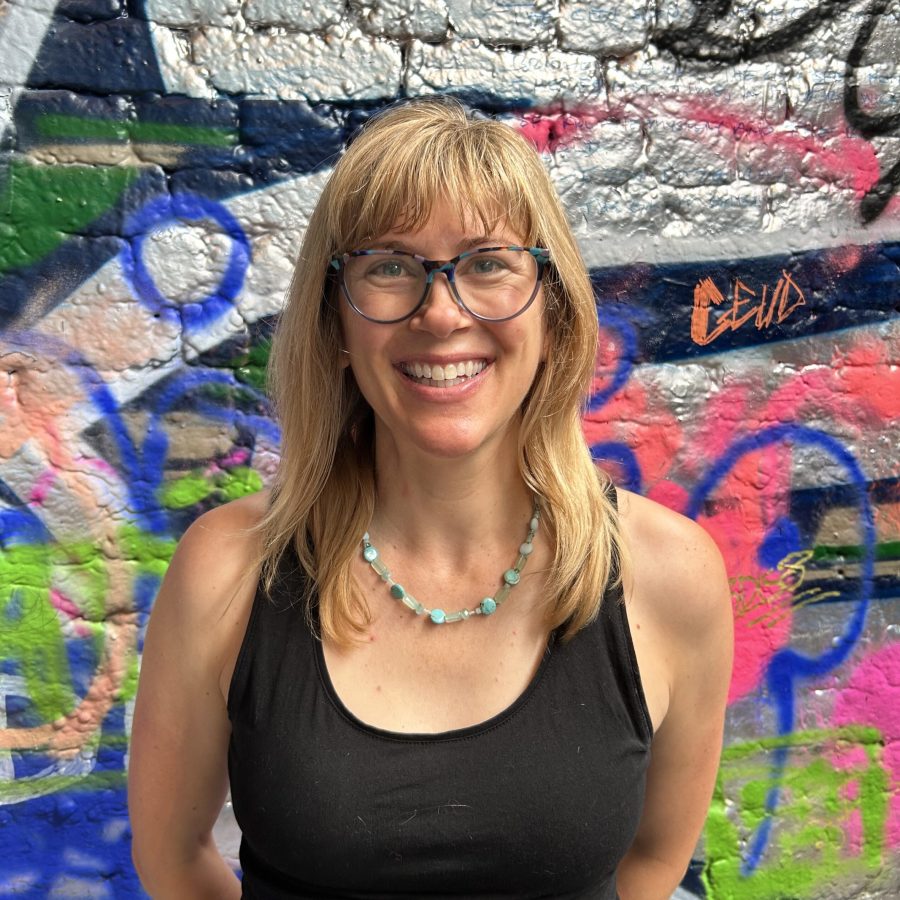
Hello and a warm welcome

IMG_2929-2

Support of a Neurodivergent person must be in-line with our traits and culture in order to be SAFE, VALID and MEANINGFUL.

Laura Hellfeld

Areas I can help support

Food and eating

Sleep icon image - image of a sleeping girl

Sleep

Autistic Play icon - image of a young boy in a box pretending to be in a spaceship

Autistic Play

School and Education

PDA Profile of Autistics​ icon - image of a person with a large magnifying glass looking at a profile

PDA Neurotype

Low demand strategies icon - image of sound reducing headphones

Low-demand strategies

Distress Behaviours icon - image of a man holding his head and appearing stressed out

Distress Behaviours

Puberty Icon - image of a young girl holding her stomach showing signs of period pain

Puberty

Sensory Experiences Icon - image of three different sensory balls

Sensory Experiences

Family icon - image of a young girl laughing in between her parents

Family Relationships & Friendships

Autistic Burn out image - image of a young woman holding her head looking dizzy and confused

Autistic Burnout

Creating safe spaces icon - image of a man wearing headphones sat in a bubble

Creating Safe Spaces for Autistics

Hygiene
Toileting
Navigating Healthcare

Upcoming Events

Come together in community and learning

Speaking Up at School: Communication with Education Staff via Little Hiccups Charity

Sep 1810:00 AM - 12:00 PM

Speaking Up at School: Communication with Education Staff via Little Hiccups Charity

Working with schools can sometimes feel daunting, especially when you’re trying to make sure your young person’s needs are understood and supported. This time together will focus on preparing yourself for productive communication with teachers and staff.

Speaking Up at School: Communication with Education Staff via Little Hiccups Charity

Sep 237:00 PM - 9:00 PM

Speaking Up at School: Communication with Education Staff via Little Hiccups Charity

Working with schools can sometimes feel daunting, especially when you’re trying to make sure your young person’s needs are understood and supported. This time together will focus on preparing yourself for productive communication with teachers and staff.

PDA North America Conference, Health & Wellness

Sep 2512:00 AM

PDA North America Conference, Health & Wellness

Sleep and eating are often areas of significant challenge for PDAers. Traditional advice about routines, bedtime expectations, and mealtimes frequently assumes that these difficulties are behavioural or motivational.

From The Blog

Latest news from the blog is on top

by

When Toileting Isn’t About “Refusing”: Looking Beyond Behaviour

When a young person’s toileting doesn’t fit our expectations, it’s easy to see it as a behavioural issue. We might think they’re refusing, avoiding, or...

Read More →

by

“Your Voice Is Breaking” — Or Is It Changing?

There are lots of phrases we use when talking about puberty without really thinking about them. “Your voice is breaking” is a good example....

Read More →

by

Falling Asleep to the Same Show for the 500th Time

There is something wonderfully predictable about falling asleep to the same show for the 500th time. You already know what happens. You know the characters,...

Read More →

by

When Bedtime Becomes a Series of Demands

Sleep itself is involuntary. We can create the conditions that make sleep more likely, support someone to feel safe and comfortable, develop routines, reduce...

Read More →

by

What If Food Exploration Meant More Than Eating?

When we talk about food exploration, we often default to eating. A new food is offered, someone takes a bite, and we think, they tried it. If they don’t eat...

Read More →

by

“My Child Only Tells Me They’re in Pain at Bedtime.” Why Does This Happen?

“Every night, just as it’s time for bed, my child tells me something hurts. Is this just behaviour? Are they trying to avoid going to bed? Or is the pain...

Read More →

Read what others have to say

Key Resources

Essential Tools for You

At Laura Neurodivergent Nurse Consulting, we’re committed to providing vital information that empowers neurodivergent individuals and their families. Sign up to my Newsletter below for ideas and tools designed to promote understanding, skills, and support within our community. 

Remember, being informed is empowering, and together, we can create a more inclusive world.


Close Search Window