
I recently recorded my webinar for the upcoming PDA Space Summit this autumn, and one of the topics we’ll be exploring is a phrase I hear from families all the time:
“But they ate this last week.”
It’s an understandable observation. If a young person managed to eat a particular food or meal before, it’s natural to assume they should be able to eat it again today.
But that assumption relies on one important misunderstanding: capacity is not fixed.
What do we mean by capacity?
Capacity is whether a person’s nervous system, brain and body can access a particular ability in this moment.
It’s not about whether they have ever been able to do something. It’s about whether all the conditions needed for that ability are available right now.
A young person may absolutely be capable of eating a particular food or meal on Monday and be genuinely unable to access that same ability on Wednesday.
Their capacity has changed.

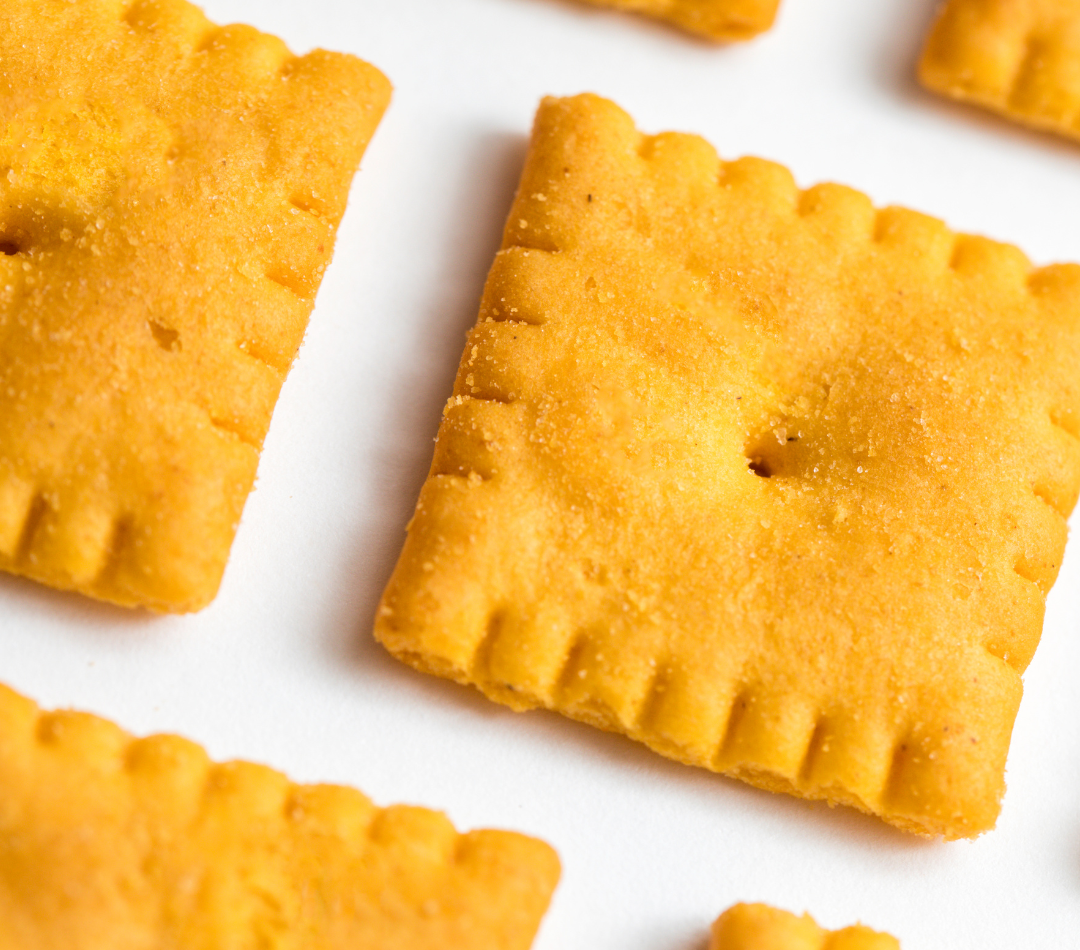
Image from Canva by Garrett Aitken from Getty Images
You might also be interested in my other food blogs such as ‘Why “Just Try It” Might Not Work at the Dinner Table’, ‘Context Eating: Why We Prefer Specific Foods in Specific Situations‘, ‘Why We Need Low Pressure Food Opportunities‘ and ‘How to Get Them to Eat: Rethinking Some Traditional Parenting Strategies‘
Why consistency isn’t always realistic
We often expect eating to be predictable. If someone likes a food, surely they’ll always like it. If they managed a full meal yesterday, surely they can do the same today.
But eating is an incredibly complex task.
It requires sensory processing, motor planning, interoception, emotional regulation, attention, flexibility and a nervous system that feels safe enough to engage.
When those systems are under strain, eating can become much more difficult. They may not be able to access the internal resources that make eating possible in that moment.
If you have found this helpful, you may be interested in my upcoming by-donation and recorded webinar ‘Beyond Bites: How Context Shapes Eating’
All ticket holders will receive a link to the recording
Capacity is influenced by cumulative load
Eating doesn’t happen in isolation.
The nervous system doesn’t separate food from everything else that’s happening in life. Capacity can fluctuate because of cumulative load, including:
- Poor sleep
- School exhaustion
- Sensory overload
- The effort of masking throughout the day
- Burnout
- Illness
- Puberty and hormonal changes
- Anxiety
- Social stress
- Transitions and unexpected changes
Each of these experiences places additional demands on the nervous system. While any one factor may seem manageable on its own, they often build up over the course of a day, a week, or even several months.
Think about a young person who has spent all day coping with the noise and unpredictability of school. They’ve worked hard to follow instructions, navigate peer interactions, tolerate uncomfortable clothing, ignore the buzzing lights in the classroom, and hold themselves together until they get home. By dinnertime, their nervous system may simply have very little capacity left for the complex task of eating.
Or consider a child recovering from a cold. They may technically be “better,” but their body is still using energy to recover. Some foods that they usually access or enjoy may suddenly feel overwhelming because the resources needed to tolerate different tastes, textures or smells are being used elsewhere.
Hormonal changes can have a similar effect. During puberty, foods may suddenly taste different, appetite can fluctuate, sensory experiences can become more intense, and emotional regulation may require far more energy than usual.
Even positive events can contribute to cumulative load. A birthday party, a school trip, visitors at home, or an exciting holiday can all place extra demands on the nervous system. The excitement doesn’t cancel out the effort involved in processing these experiences.
Looking beyond the plate
When we only focus on the meal itself, we can miss the bigger picture.
Instead of asking: “Why won’t they eat this today?”
It can be more helpful to wonder:
- What has today asked of their nervous system?
- How much energy have they already spent?
- What sensory experiences have they navigated?
- Are they recovering from illness, poor sleep or a difficult week?
- Is their body asking them to cope with something else first?
These questions shift us toward curiosity and understanding. Instead of expecting eating to look the same every day, we can begin to recognise that the nervous system is dynamic.
- Capacity changes
- Needs change
- Support may need to change too
Thank you for being here,

Laura Hellfeld
RN, MSN, PHN, CNL
Connect with me on social media
Instagram, Facebook LinkedIn and BlueSky
Disclaimer: The information shared in this blog is for informational purposes only and is not intended to replace medical advice, diagnosis, or treatment. Please consult a licensed healthcare provider for personalised support and care tailored to your specific needs.
Signposting and Resources
- Flush Forward!: A Friendly Toileting Guide for Parents Supporting Disabled and Neurodivergent Young People
- Creating Safe Spaces for Autistic People
- Gabby’s Glimmers: An Affirming Story of an Autistic Child and their Favourite Food
- Why “Just Try It” Might Not Work at the Dinner Table, Blog
- Context Eating: Why We Prefer Specific Foods in Specific Situations, Blog
- More on Context Eating: Understanding Food Preferences Without Pushing for Change, Blog
- Why We Need Low Pressure Food Opportunities, Blog
- How to Get Them to Eat: Rethinking Some Traditional Parenting Strategies, Blog
Last modified: 8 July 2026