
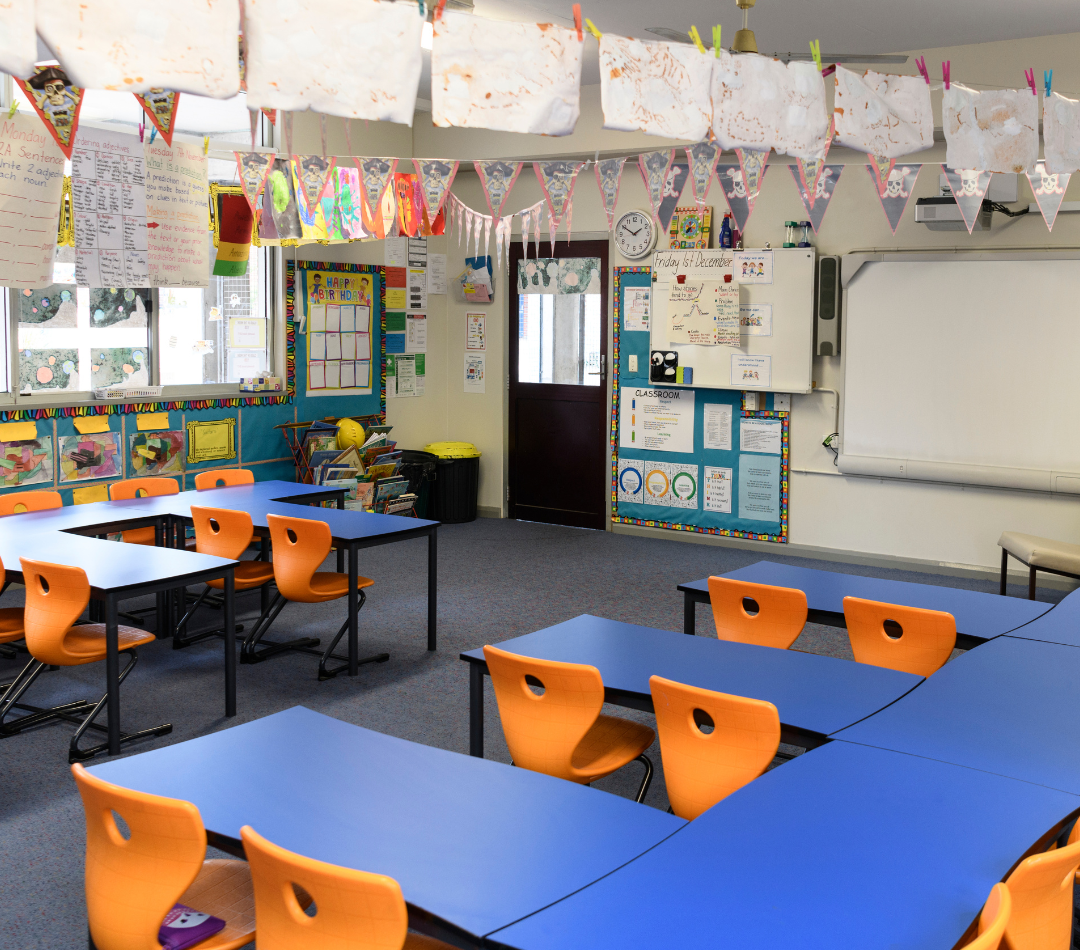
This piece was prompted by a conversation with a small group of primary educators. During the discussion, several shared that their training around “dysregulation” had focused almost entirely on visible crisis behaviours — throwing chairs, yelling, hitting, or pushing. Together, we explored how many pupils experience dysregulation in far quieter ways, and why understanding those differences matters in classrooms. This blog grew from that conversation.
There are pupils in every classroom who never “cause concern.”
They are not throwing chairs.
They are not shouting.
They are not refusing work loudly enough to trigger a meeting.
Instead, they sit quietly while their nervous system struggles through every part of the school day.
These are often the pupils we miss.
A child rubbing their jumper cuff until the fabric frays.
A pupil who always asks to go to the toilet during assembly.
A learner who never joins in carpet time discussions but can answer perfectly one-to-one.
A child who comes home exhausted, dysregulated, or in tears after “a good day.”
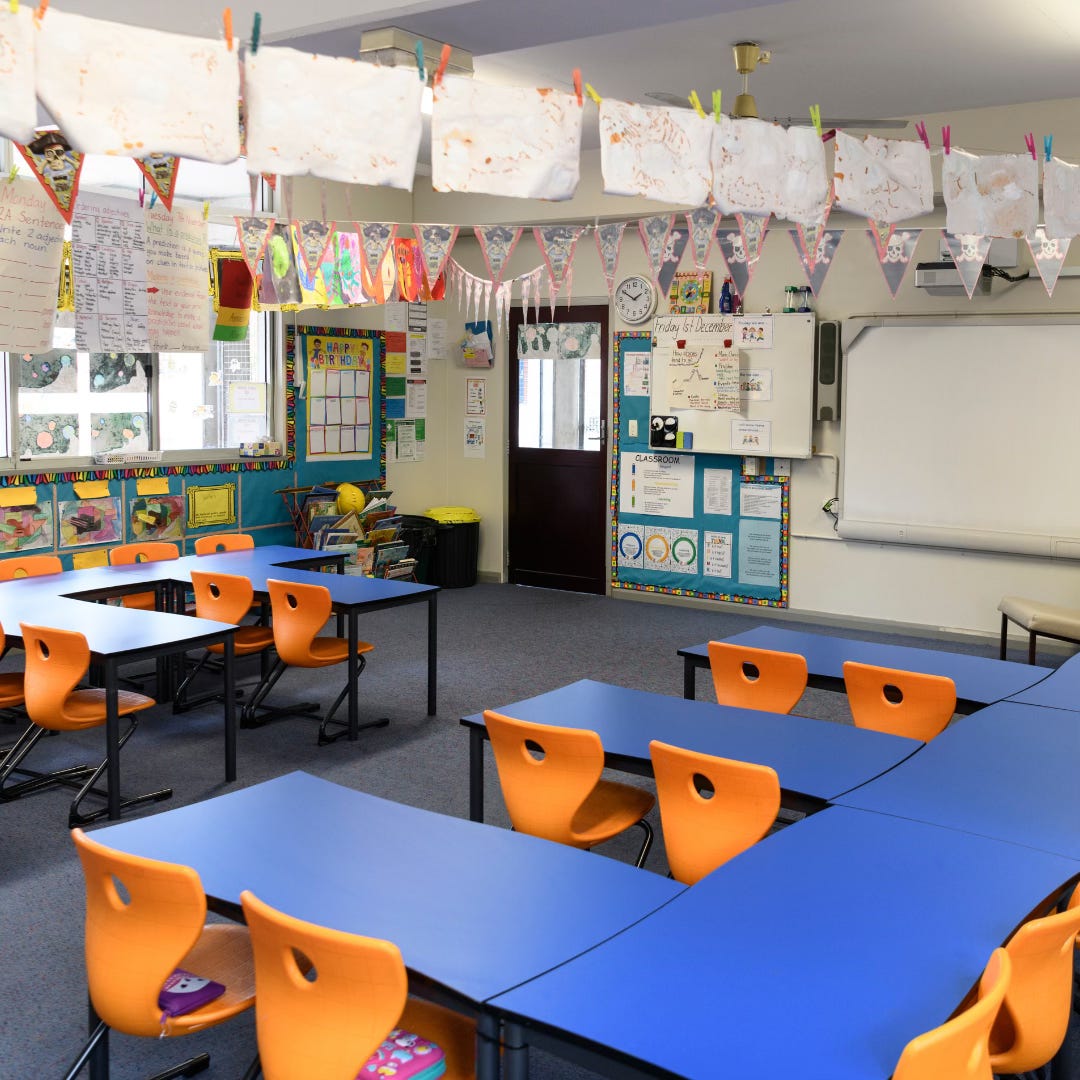
Image from Canva by JohnnyGreig from Getty Images Signature
You may also be interested in my other blogs ‘Levelling Behaviour: When Students Try to Even the Playing Field’ ‘PDAers and Compliance: Understanding the Real Challenge, Blog’, and ‘Bumpy vs Spiky Learning Profiles: Why the Difference Matters More Than You Think’
Too often, sensory distress is only recognised when it becomes visible disruption. But many children experience distress internally, silently trying to exist overwhelming environments while also trying desperately to appear “fine.”
And schools are full of sensory demands.
- Bright fluorescent lighting.
- Thirty chairs scraping across floors.
- Buzzing projectors.
- Strong smells from lunch trays, glue sticks, markers, and PE kits.
- Busy wall displays.
- Unpredictable noise levels.
- The pressure of constant social interpretation.
For some pupils, this is manageable. But, for others, it is cumulative overload.
Quiet distress rarely looks dramatic
We are often taught to look for “behaviours of concern,” but sensory distress can present in ways that are far easier to miss or misinterpret.
Sometimes it looks like frequent tiredness — a child resting their head on the table, struggling to sustain attention, or seeming “low energy” by the afternoon because their nervous system has spent the entire day managing overwhelming input.
Sometimes it looks like perfectionism. A pupil may become highly anxious about getting things wrong because school already feels unpredictable or overwhelming. Controlling their work becomes a way of trying to create safety.
Sometimes it looks like shutdown. A child may stop responding verbally, struggle to process language, stare into space, or appear withdrawn when their nervous system is overloaded. This is often misunderstood as defiance, disengagement, or “not trying.”
For some students, distress shows up physically through headaches, stomach aches, nausea, muscle tension, or needing repeated trips to the toilet. Sensory overwhelm and stress are experienced in the body as much as the mind.
Sometimes it looks like avoidance masked as compliance. This can be difficult to spot because the child does not appear openly resistant. Instead, they may:
- move very slowly when asked to begin
- spend a long time organising equipment
- repeatedly sharpen pencils or ask unrelated questions
- appear distracted
- copy others instead of engaging directly
- wait for adult prompts before every step
- ask to go to the toilet during overwhelming tasks or environments
- “forget” things regularly
- quietly disappear into the background
Because the child is not refusing loudly, the distress behind the avoidance is often missed. Adults may see a pupil who is passive, dreamy, dependent, or lacking motivation. When in reality, the pupil may be overwhelmed, anxious, or struggling to process the demands being placed on them.
Sometimes distress looks like zoning out — not because a child is uninterested, but because their nervous system has reached capacity and is attempting to protect itself.
Many children hold themselves together throughout the school day, only for the emotional overwhelm to appear afterwards at home. Families may see crying, meltdowns, irritability, exhaustion, or complete withdrawal after what school describes as “a fine day.”
Some children begin communicating that they cannot access school at all, seemingly “out of nowhere.” But often there has been a long period of internalised distress beforehand that went unnoticed because the child remained outwardly compliant.
Others need significant recovery time after school — sleeping for long periods, isolating themselves, avoiding interaction, or struggling to engage in activities they usually enjoy because so much energy has gone into simply getting through the day.
Distress may also appear as irritability only within safe environments and with safe people. Children often release their emotions where they feel safest, which means families can sometimes see the impact far more intensely than school staff do.
Toileting can also be affected. Some pupils may withhold urine or bowel movements because toilets feel sensory overwhelming, unpredictable, or unsafe. Others may have accidents linked to stress, interoceptive differences, or nervous system overload.
Some children freeze when given verbal instructions, particularly in busy or noisy environments. They may need longer processing time, reduced language, or visual support, but are instead assumed to be ignoring instructions or not paying attention.
And for many pupils, the hardest parts of the day are not the academic tasks themselves, but the transitions surrounding them — entering crowded halls, lining up, assembly, lunch spaces, changing for PE, or moving between classrooms where sensory and social demands rapidly increase.
Many children learn very early that visible distress attracts negative attention. So they suppress it.
A student who appears compliant may actually be surviving.
Sensory distress is not just about autism
One of the biggest misconceptions is that sensory needs belong only to Autistic pupils.
In reality, sensory processing differences can affect:
- ADHD learners
- dyspraxic students
- students with trauma histories
- disabled students
- anxious learners
- students with chronic illness
- unidentified neurodivergent children
- young children whose nervous systems are still developing
And importantly: all children benefit from environments that reduce unnecessary sensory stress.
When we improve acoustics, create calmer transitions, reduce visual overwhelm, or offer movement options, we are not creating “special treatment.” We are creating accessible learning environments.
The pupils we miss are often praised
These are often the pupils described as:
- “no trouble at all”
- “very quiet”
- “well behaved”
- “shy”
- “sensitive”
Sometimes those descriptions are accurate. Sometimes they are descriptions of a child using every available resource to hold themselves together. We need to become more curious about stillness.
Not every quiet child is distressed. But distress does not always look loud.
What helps?
Often, the most meaningful changes are small:
- reducing unnecessary background noise
- supporting movement without punishment
- offering alternatives to whole-class verbal participation
- creating predictable routines
- giving processing time
- checking lighting where possible
- supporting sensory tools without making pupils “earn” them
- offering quieter spaces for transitions or overwhelm
- noticing patterns instead of isolated incidents
- believing pupils when they describe discomfort
We cannot support what we do not notice
The pupils who internalise distress frequently go unseen because their needs interrupt themselves.
But invisible struggle is still struggle.
If we want classrooms built on belonging rather than compliance, we must widen our understanding of what distress looks like.
Sometimes the pupils we most need to notice are the ones sitting quietly, trying their hardest not to be noticed at all.
Thank you for being here,

Laura Hellfeld
RN, MSN, PHN, CNL
Connect with me on social media
Instagram, Facebook LinkedIn and BlueSky
Disclaimer: The information shared in this blog is for informational purposes only and is not intended to replace medical advice, diagnosis, or treatment. Please consult a licensed healthcare provider for personalised support and care tailored to your specific needs.
Signposting and Resources
- Flush Forward!: A Friendly Toileting Guide for Parents Supporting Disabled and Neurodivergent Young People
- Creating Safe Spaces for Autistic People
- Gabby’s Glimmers: An Affirming Story of an Autistic Child and their Favourite Food
- Bumpy vs Spiky Learning Profiles: Why the Difference Matters More Than You Think, Blog
- Demanding Respect from PDAers in the School Setting: Why Hierarchy Backfires & What Builds True Connection Instead, Blog
- PDAers and Compliance: Understanding the Real Challenge, Blog
- Getting to Know More About PDAers: The Less Discussed Characteristics, Blog
- PDA Signposting: A Growing List, Blog
- Distress Language: How to Tune into What Your Child Can’t Say, Blog
Last modified: 8 May 2026