
This article was inspired by a recent conversation in a webinar I was guiding for parents, carers and professionals. If you’re interested in attending similar education events, these are communicated via my newsletter on Substack and here on my webpage.
If you’ve tried using sticker charts, token systems, or traffic light behaviour charts with a PDAer, you may have noticed they don’t usually work and sometimes they make things harder. That’s because PDA isn’t about ‘defiance’ or ‘choosing not to do something.’ It’s about the nervous system. When a PDAer feels pressure, their alarm system kicks in, triggering stress, shutdown, or avoidance. These reactions are automatic, not choices that can be ‘managed’ with stickers or tokens.
PDA stands for Pathological Demand Avoidance or Pervasive Drive for Autonomy

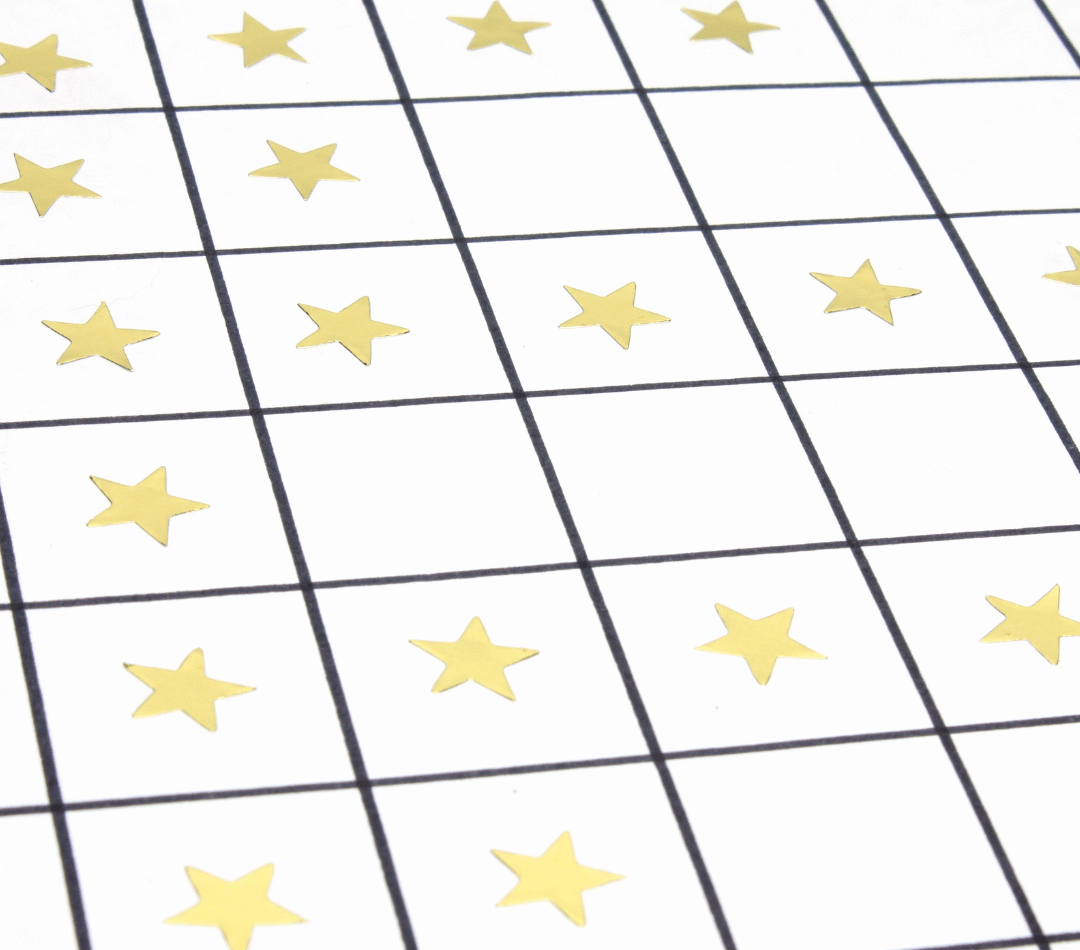
Image from Canva by braclark from Getty Images Signature
You may also be interested in my other blogs ‘Demanding Respect from PDAers in the School Setting: Why Hierarchy Backfires & What Builds True Connection Instead’ ‘PDAers and Compliance: Understanding the Real Challenge, Blog’, ‘Getting to Know More About PDAers: The Less Discussed Characteristics’
Why Rewards and Consequences Often Backfire
It’s tempting to think a reward or consequence will fix things, but these approaches can actually get in the way. Here’s why:
- They put you in full control. Rewards make the adult or teacher the boss, which can feel controlling rather than supportive.
- They can reduce natural motivation. Activities that used to be enjoyable or interesting start feeling like work for a prize.
- Not getting a reward feels like failure. Even unintentionally, this can create shame or frustration.
- They create a hierarchy instantly. Rewards reinforce an imbalance of position and power.
- They can feel infantilising. Older children (or any age really!) and adults often feel patronised by token systems or stickers.
- They don’t address the root cause. Rewards don’t help the person understand or manage their stress.
- They put ongoing pressure on you. Reward systems require constant attention and management.
- They can take away joy. Using something that naturally brings pleasure as a reward can backfire, turning fun into control.
Put simply: you can’t manage a PDA stress response with rewards and consequences.
What Works Instead
What we really want is to support skill-building. To help the person understand their own nervous system, learn how to find a regulated state, and communicate their needs. This means:
- Understanding their nervous system. Helping the person notice when stress is rising and practice strategies to calm down (E.g., rough and tumble play, quiet time with a movie).
- Collaborating on solutions. Working together to make tasks more manageable or predictable.
- Being flexible. Adapting expectations and demands to reduce unnecessary pressure, rather than force compliance.
- Valuing autonomy and choice. Supporting them have control over how they engage with tasks, fostering natural motivation instead of relying on external rewards.
Supporting someone with PDA isn’t about ‘managing behaviour.’ It’s about understanding, communication, and helping them feel safe. When we focus on collaboration instead of control, we can help create spaces where PDAers feel safe and understood and that’s when real learning can happen.
Thank you for being here,

Laura Hellfeld
RN, MSN, PHN, CNL
Connect with me on social media
LinkedIn, Instagram, Facebook and BlueSky
Disclaimer: The information shared in this blog is for informational purposes only and is not intended to replace medical advice, diagnosis, or treatment. Please consult a licensed healthcare provider for personalised support and care tailored to your specific needs.
Signposting and Resources
- Creating Safe Spaces for Autistic People
- Gabby’s Glimmers: An Affirming Story of an Autistic Child and their Favourite Food
- Demanding Respect from PDAers in the School Setting: Why Hierarchy Backfires & What Builds True Connection Instead, Blog
- PDAers and Compliance: Understanding the Real Challenge, Blog
- Getting to Know More About PDAers: The Less Discussed Characteristics, Blog
- PDA Signposting: A Growing List, Blog
- Distress Language: How to Tune into What Your Child Can’t Say, Blog
- The Nurture Programme
- The PDA Space
- PDA North America
- PDA Society
Last modified: 19 November 2025