
Content Warning: mental health, safety, mentions of self-harm and low mood
As winter holidays approach, there’s a familiar story we tell ourselves: rest, joy, connection, and relief from routine.
For many young people, the reality looks very different.
This time of year often brings disruption, sensory overwhelm, social pressure, financial stress, family tension, loneliness, and the removal of everyday structures that help many young people cope. For those who are already struggling with anxiety, low mood, identity stress, or feeling misunderstood, winter can amplify everything.
It is in this gap, between need and available support, that many young people are turning to AI.
Why AI Can Feel Safer Than People
Recent news has highlighted that increasing numbers of young people are using AI tools for mental health support. Not because AI is better than human care but because it feels available, non-judgemental, and constant.
AI doesn’t:
- close for holidays
- tell you it’s too busy
- minimise your feelings
- require you to explain yourself repeatedly
For young people who have felt misunderstood or placed on long waiting lists, an AI chatbot can feel like the only place where someone is “listening”.
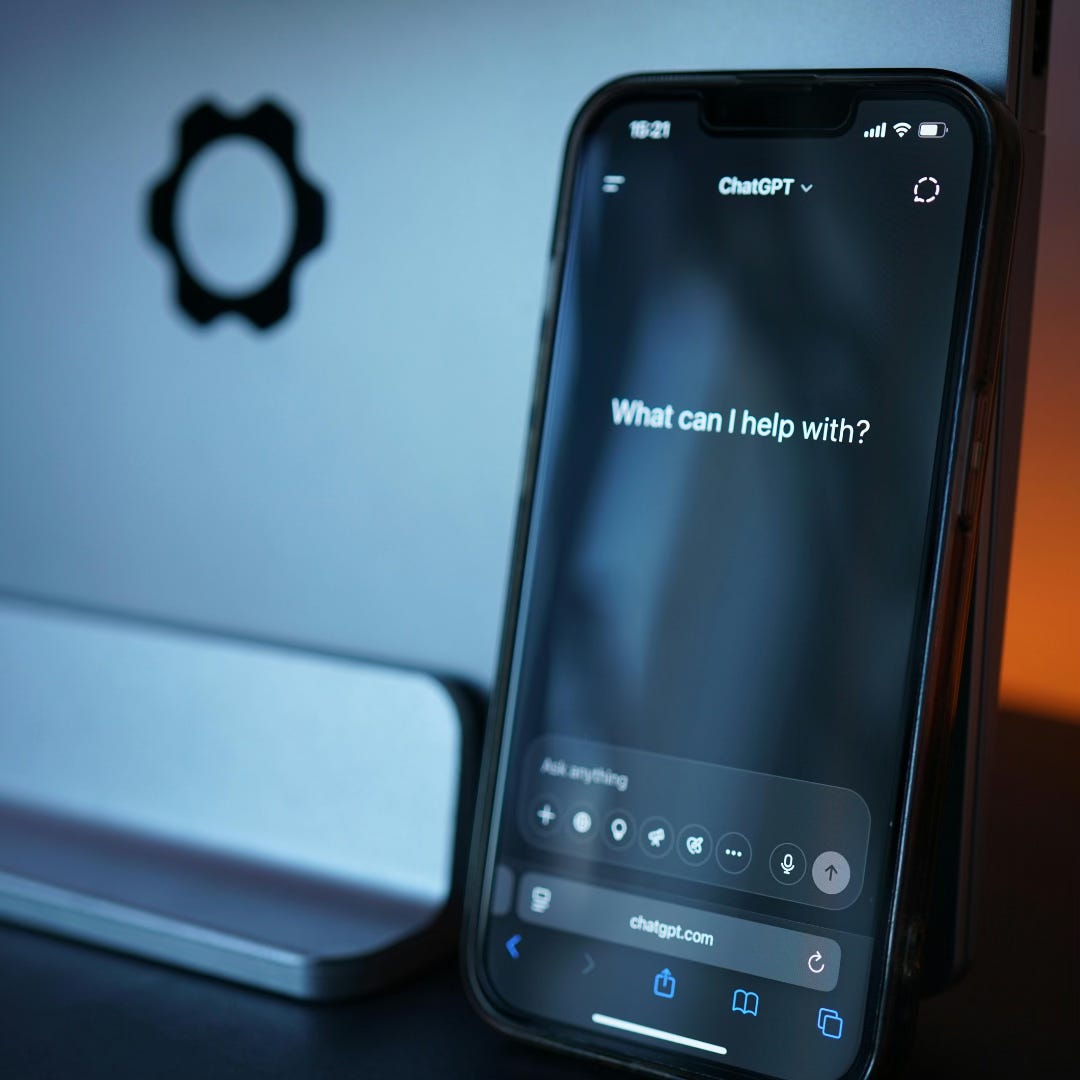
Image from Canva by Tim Witzdam from Pexels
The Risks of AI as Emotional Support
While AI can provide a sense of immediate relief or companionship, it cannot:
- offer safeguarding
- respond appropriately in crisis
- replace relational, regulated, human connection
- hold the complexity of lived experience
There is a real concern that young people may lean on AI in moments when they actually need human care, accountability, and protection.
This is particularly important during the winter holiday period, when:
- schools and colleges close
- routine support disappears
- services run reduced hours
- young people feel pressure to “be grateful” or “be happy”
Organisations Offering Human Support
If you are a young person, or you support one, these organisations offer real and trained support over winter and beyond. Please note that this list is UK-based:
- Childline: Offers 24/7 support via phone, email, or 1-2-1 online chat for under-19s.
- Samaritans: A 24-hour helpline for anyone going through a difficult time.
- The Mix: Provides a webchat, email helpline, and crisis textline for under-25s.
- CALM (Campaign Against Living Miserably): Offers a free webchat and helpline for those aged 16 and over, available 5pm-midnight.
- Kooth: A free, anonymous online mental health service with counsellors, a journal, and a podcast.
- YoungMinds: Provides information, advice, and a website with tools to help young people manage their mental health.
- Mind: Offers a support line and online resources for young people.
- Students Against Depression: A website with advice and resources for those affected by low mood and depression
- Papyrus UK (HOPELINEUK): Offers support for anyone having thoughts of suicide and for those worried about someone else.
- Barnardo’s: Provides a range of specialist mental health support services for children and young people across the UK.
Who else would you add?
Thank you for being here,

Laura Hellfeld
RN, MSN, PHN, CNL
Connect with me on social media
Instagram and Facebook, LinkedIn and BlueSky
Disclaimer: The information shared in this blog is for informational purposes only and is not intended to replace medical advice, diagnosis, or treatment. Please consult a licensed healthcare provider for personalised support and care tailored to your specific needs.
Last modified: 9 December 2025