

This article was created to support a webinar for feeding practitioners to help understand one of the many layers of food and eating behaviours.
Have you ever noticed how good it can feel to chew?
Maybe it’s the deep crunch of toast, the steady rhythm of gum, or the slow chew of something soft and familiar. Chewing isn’t just about eating. For some people, chewing is soothing. For others, it’s focusing. For many people, it’s regulating.
The brain chemistry of chewing
When we chew, several “feel-good” chemicals are released in the brain. These aren’t dramatic surges like you might get from intense exercise or excitement. These are more gentle and steady regulating signals.
That’s part of why chewing can feel calming or satisfying even when we’re not hungry.
Dopamine: the reward signal
Chewing activates dopamine pathways linked to reward and motivation. This can make oral activity feel satisfying, grounding, reassuring, and worth repeating.
You might recognise this if you or someone you care for chews gum to focus, prefers crunchy foods, seeks chewy textures, mouths objects, or needs something oral when stressed. Their brain is saying: this helps, do it again.
Serotonin: a steadying signal
The repetitive rhythm of chewing sends calming signals through the nervous system to support serotonin (a messenger involved in feeling balanced and at ease).
This contributes to emotional steadiness, reduced anxiety, and overall nervous system regulation. For some people, chewing becomes a quiet self-regulation strategy. This is similar to rocking, tapping, or fidgeting.
You might see:
- a young person chewing sleeves or pencils
- someone always wanting a snack when overwhelmed
- a preference for long-lasting foods like bagels, dried fruit, jerky, or chewy sweets
Therefore, it’s not just habit. It’s nervous system support.
Endorphins: comfort signals
Effortful chewing (tough, dense, or resistant foods) can release small amounts of endorphins. This can create mild pleasure, comfort, and a buffering effect against stress.
It’s similar to why some people seek deep pressure, tight hugs, or weighted blankets. The jaw is a powerful proprioceptive muscle system (the body’s ability to perceive its own position, movement, and spatial orientation) and chewing provides deep sensory input.
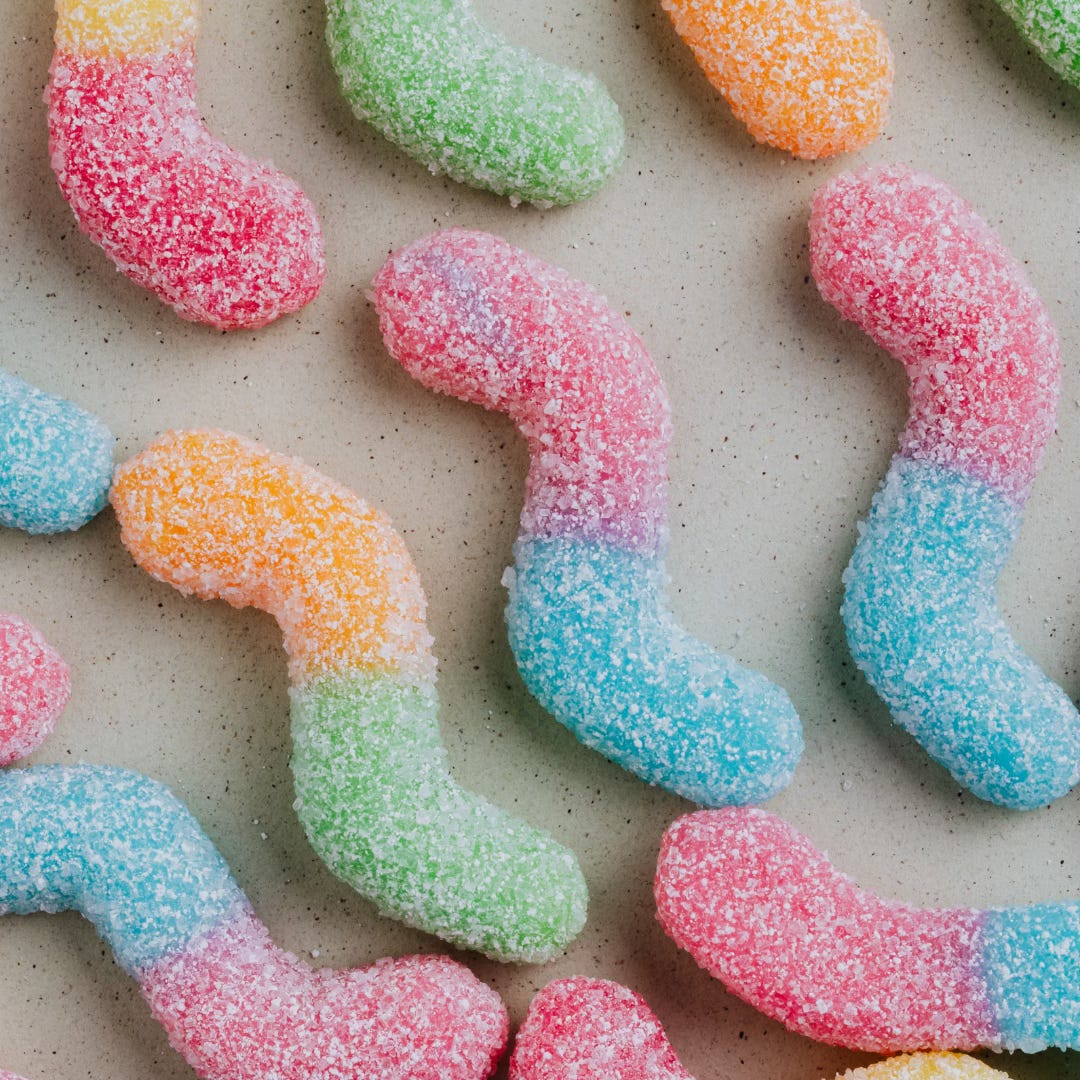
Image from Canva by Karola G from Pexels
You might also be interested in my other food blogs such as ‘Why “Just Try It” Might Not Work at the Dinner Table’, ‘Context Eating: Why We Prefer Specific Foods in Specific Situations‘, ‘Why We Need Low Pressure Food Opportunities‘ and ‘How to Get Them to Eat: Rethinking Some Traditional Parenting Strategies‘
Connecting chewing to food choices
Foods differ widely in how they feel in the mouth. For example, how much resistance they offer, how dense or moist they are, how quickly they break down, and how predictably they change while chewing.
And predictability is regulating.
A crunchy cracker behaves the same every time. A chewy sweet softens slowly and reliably. Soft bread compresses in a familiar way. The mouth learns what to expect, and the nervous system can settle into that certainty.
So when someone relies on very specific chew qualities, they may not be seeking sameness for its own sake. They may be seeking regulation, predictability, oral sensory satisfaction, and nervous system stability. So a lot of valid reasons!
For many people, chewing becomes a practical way to manage their internal experience. You might notice they need to chew during anxiety, overwhelm, high concentration demands, sensory overload, emotional distress, or fatigue.
This is why gum can improve focus for some people, crunchy snacks help some children attend in class, oral chew tools support regulation, and some people find themselves eating more when stressed.
Their brain and body are looking for input that they know helps.
A gentle reflection
You might decide to pause for a moment and reflect on your own chewing patterns.
What textures do you reach for?
When do you most want to chew?
Which foods feel calming or organising?
If you’re thinking about someone you care for, you might notice when their chewing increases, which textures they prefer, and what is happening around them just beforehand. What does chewing seem to change for them? What need do we think chewing is meeting?
Thank you for being here,

Laura Hellfeld
RN, MSN, PHN, CNL
Connect with me on social media
Instagram, Facebook LinkedIn and BlueSky
Disclaimer: The information shared in this blog is for informational purposes only and is not intended to replace medical advice, diagnosis, or treatment. Please consult a licensed healthcare provider for personalised support and care tailored to your specific needs.
Signposting and Resources
- Creating Safe Spaces for Autistic People
- Gabby’s Glimmers: An Affirming Story of an Autistic Child and their Favourite Food
- Why “Just Try It” Might Not Work at the Dinner Table, Blog
Last modified: 17 February 2026