
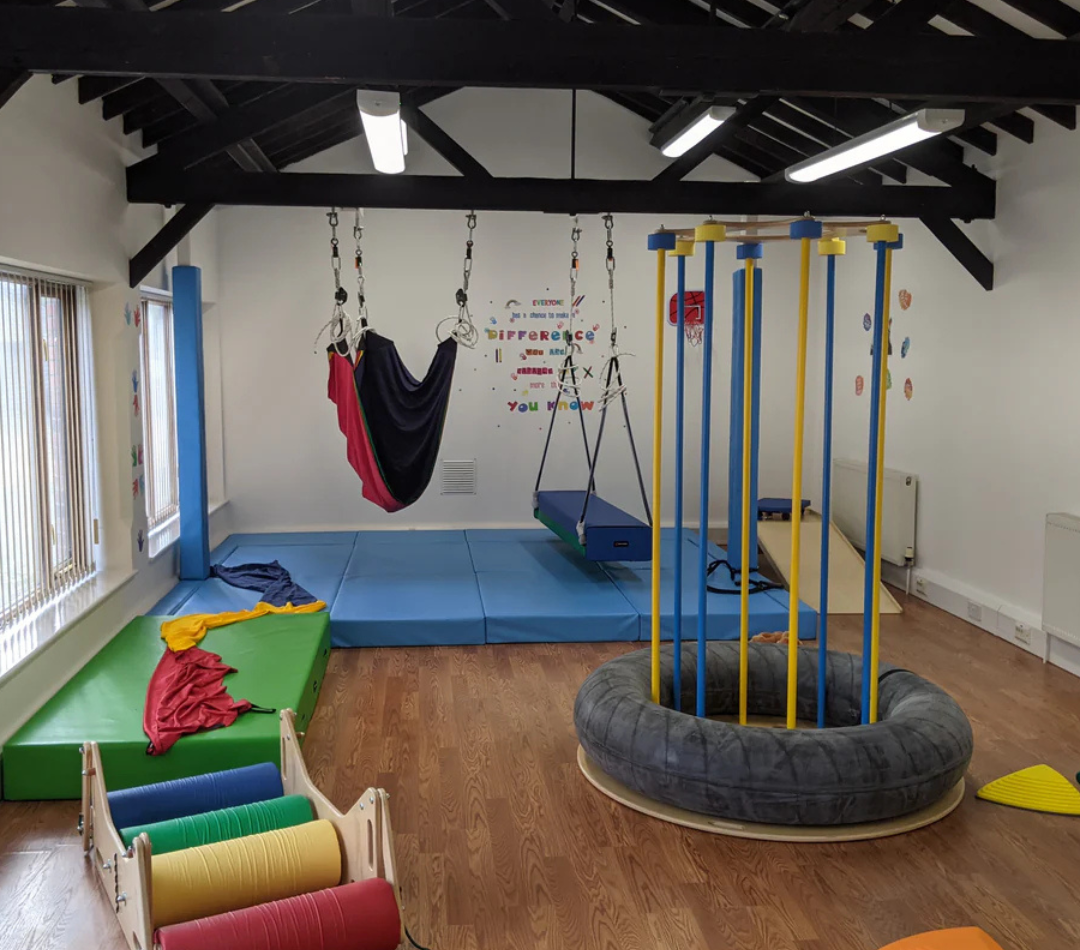
This resource was created to support parents and carers attending the workshop “Moving with Purpose: Understanding Dyspraxia and the Body–Mind Connection.”
When you’re parenting a young person who finds everyday tasks hard, you often sense that something needs understanding long before you have the words for it.
You might notice that getting dressed takes a huge amount of effort. That your child avoids activities others seem to enjoy. They might even be exhausted by things that don’t appear tiring on the surface. And when you try to explain this to professionals, it can be hard to know where to start.
This is where it can be helpful to have prepared advocacy language that can help.
This blog shares examples of language parents and carers can use when speaking with professionals about dyspraxia.*
Dyspraxia*: difficulty difficulty in the process of planning, organising, & executing purposeful, motor acts & movements
Image from Canva by Jordi Mora (Jordi Tudela)
You may also be interested in my other blogs like “What is Diagnostic Overshadowing and Why Does it Matter”, “Received a New Medical Diagnosis? A Beginning List of Questions to Ask Your Care Provider” and “Is Your Young Person Starting a New Medication? A List of Question to Ask Your Care Provider”
Starting the Conversation
Opening a conversation doesn’t mean having all the answers. It’s helpful for the provider to have you share what you’re noticing.
You might begin with something like:
“I’m noticing that everyday tasks take a lot of effort for my child, particularly those involving coordination and organisation.”
This centres your child’s experience. Professionals may be more responsive to clear observations of daily functioning.
Linking What You See to Real-Life Impact
It’s helpful to explain not just what your child struggles with, but how it affects them.
For example:
“This seems to affect their confidence, energy levels, and ability to try.”
This makes it clear that the challenge isn’t just physical. It also affects your young person’s emotional wellbeing, self-esteem, and their participation.
Referring to Movement Foundations (Without Needing Technical Knowledge)
You don’t need specialist training to notice when movement doesn’t feel easy or automatic for your child.
You could say:
“I’m wondering whether early movement foundations, like coordination and how their body plans movement, could be relevant.”
This signals curiosity and openness, without needing to explain the cause yourself.
Asking for Guidance, Not a Quick Fix
It’s okay to ask professionals to help you understand the next steps.
You might ask:
“Who would be the right professional to explore this with us?”
“What assessments or observations might help us understand their needs better?”
These questions position you as a collaborative partner in your child’s support.
When to Seek Support
Trust your instincts. It may be time to seek additional support if you notice:
- Persistent coordination difficulties
- High levels of fatigue or avoidance (e.g. such as dressing, writing, PE, playground play, or getting ready for the day)
- Significant anxiety around movement or daily tasks
- Ongoing feeding, toileting, or sleep concerns
Support has the potential to ease some of these day-to-day frustrations and protect your young person’s self-esteem.
Professionals Who May Be Able to Help
Depending on your young person’s needs, support may come from:
- Occupational Therapist: daily tasks, coordination, regulation
- Physiotherapist: movement, strength, physical confidence
- Speech & Language Therapist: planning, sequencing, communication (not just speech)
- GP or Paediatrician: referrals, medical overview, care coordination
A Final Word
You know your child best. You notice the effort others don’t always see. The above script ideas may be a tool to help others understand what everyday life is really like for them.
You can download the handout of advocacy language for free here with this link
Thank you for being here,

Laura Hellfeld
RN, MSN, PHN, CNL
Connect with me on social media
Instagram, Facebook LinkedIn and BlueSky
Disclaimer: The information shared in this blog is for informational purposes only and is not intended to replace medical advice, diagnosis, or treatment. Please consult a licensed healthcare provider for personalised support and care tailored to your specific needs.
Signposting and Resources
- Creating Safe Spaces for Autistic People
- Gabby’s Glimmers: An Affirming Story of an Autistic Child and their Favourite Food
- When the Doctor Says “Let’s Wait and See…”, Blog
- What is Diagnostic Overshadowing and Why Does it Matter, Blog
- Received a New Medical Diagnosis? A Beginning List of Questions to Ask Your Care Provider, Blog
- Is Your Young Person Starting a New Medication? A List of Question to Ask Your Care Provider, Blog
Last modified: 17 February 2026