
When we talk about food exploration, we often default to eating. A new food is offered, someone takes a bite, and we think, they tried it. If they don’t eat it, it can be tempting to think that nothing really happened.
But food exploration can be much bigger than that.
Eating is one way of exploring food, but it isn’t the only way.
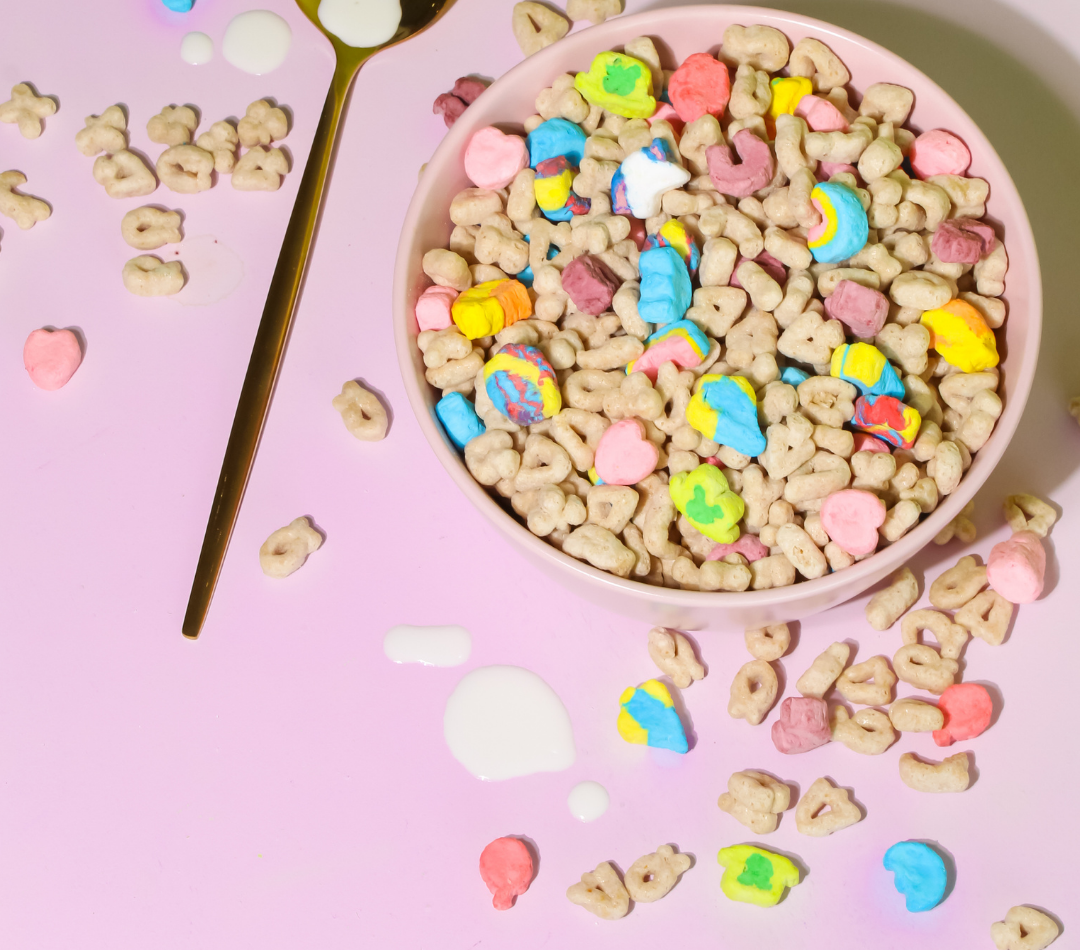
Looking at a food is exploring it. Smelling it is exploring it. Being near it, having it on the table, touching it, or watching someone else eat it can all be ways of experiencing and learning about food. So can helping to prepare it, serving it, talking about it, or choosing which food to have on your plate.
These experiences give us opportunities to become familiar with food without requiring us to consume it.
Image from Canva
You might also be interested in my other food blogs such as ‘Why “Just Try It” Might Not Work at the Dinner Table’, ‘Context Eating: Why We Prefer Specific Foods in Specific Situations‘, ‘Why We Need Low Pressure Food Opportunities‘ and ‘How to Get Them to Eat: Rethinking Some Traditional Parenting Strategies‘
For some people, asking them to eat a food immediately can change the experience of everything that comes before it. If looking at the food is always followed by an expectation to touch it, and touching it is always followed by an expectation to taste it, then none of those experiences are really separate from eating. They can start to feel like a series of steps towards something the person might not be ready for.
Instead, we can support each experience to be what it is.
Someone can look at a food without needing to smell it. They can smell it without needing to touch it. They can touch it without needing to taste it. They can help prepare something they don’t intend to eat, or serve it to someone else. They can have a food sitting on the table while they eat something completely different. They can watch another person eat it, talk about it, or choose to have it nearby.
And importantly, none of these things have to be treated as incomplete because the person didn’t eat the food.
There can be value in simply becoming familiar with how a food looks, smells, feels or exists within a particular context. There can be value in knowing that a food can be nearby without anything being demanded of you.
They are all part of what food exploration can mean.
Final Message
If someone wants to expand the foods they eat, eating may absolutely be something we work towards together. But we don’t have to make consumption the measure of every meaningful interaction with food.
Sometimes expanding our ideas about food exploration is about recognising that there are many ways to experience a food before, alongside, or completely separate from eating it.
Thank you for being here,

Laura Hellfeld
RN, MSN, PHN, CNL
Connect with me on social media
Instagram, Facebook, LinkedIn and BlueSky
Disclaimer: The information shared in this blog is for informational purposes only and is not intended to replace medical advice, diagnosis, or treatment. Please consult a licensed healthcare provider for personalised support and care tailored to your specific needs.
Signposting and Resources
- Flush Forward!: A Friendly Toileting Guide for Parents Supporting Disabled and Neurodivergent Young People
- Belonging First: Building Connection and Trust in the Primary Classroom, book
- Creating Safe Spaces for Autistic People
- Gabby’s Glimmers: An Affirming Story of an Autistic Child and their Favourite Food
- Why “Just Try It” Might Not Work at the Dinner Table, Blog
- Context Eating: Why We Prefer Specific Foods in Specific Situations, Blog
- More on Context Eating: Understanding Food Preferences Without Pushing for Change, Blog
- Why We Need Low Pressure Food Opportunities, Blog
- How to Get Them to Eat: Rethinking Some Traditional Parenting Strategies, Blog
Last modified: 19 August 2026