
This piece was written in preparation for the Autism Learns webinar ‘Supporting our PDAers with Sleep’. It reflects one of the foundational ideas we will keep returning to throughout the session: that when sleep is hard, especially for PDAers, the priority cannot only be about making sleep happen. It also has to be about protecting the relationships that make safety, regulation, and long-term support possible.
When sleep is hard, it’s very easy for everything to become about fixing sleep. Bedtime routines tighten, strategies multiply, and nights begin to feel like tests we either pass or fail. For many families, especially those supporting a PDAer*, this focus can quietly shift the emotional centre of the relationship.
And for PDAers in particular, how we respond often matters just as much as what we do.
*PDA stands for Pathological Demand Avoidance or Pervasive Drive for Autonomy
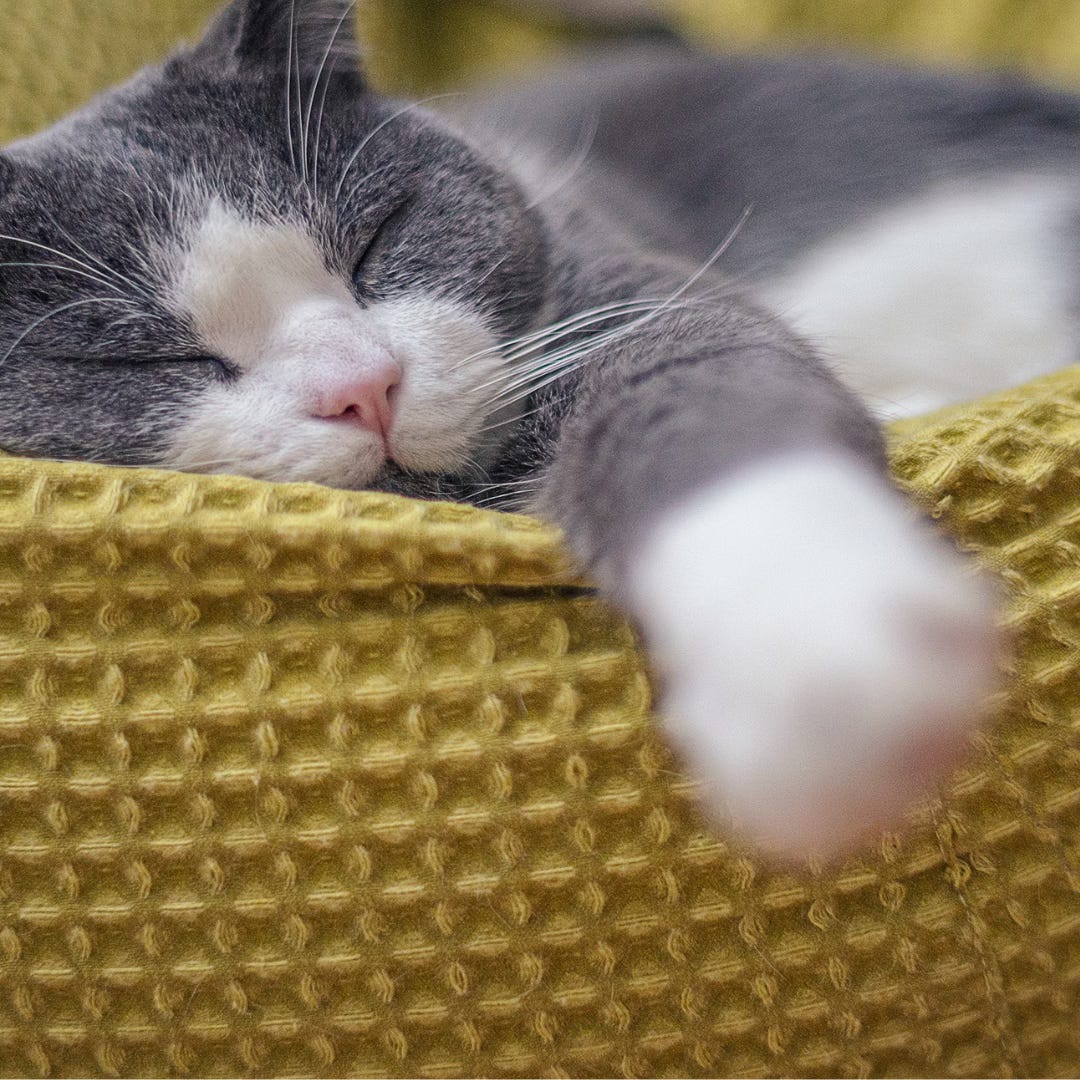
Image from Canva by AG ZN from Pexels
You may also be interested in my other blogs ‘Waking Up Can Be Hard: Understanding Sleep Inertia and Easing Into the Day’, ‘The Power of a Tiny Nap: Why even a few minutes can make a difference’, or The Need for Co-regulation Doesn’t Stop at Night
Sleep is a non-linear skill. It doesn’t develop in a neat upward line, and it doesn’t respond well to pressure. Sleep often looks like periods of ease followed by sudden difficulty, or long plateaus where nothing seems to change at all. These shifts are deeply connected to nervous system safety, not motivation or compliance.
When we begin to treat sleep as a demand – you must sleep, this has to work, we’ve tried everything – the relationship often takes the hit. Tension creeps in and power struggles appear. Everyone becomes more exhausted, emotionally as well as physically. For PDAers, where perceived demand can quickly activate threat responses, this pressure can make sleep even harder. Escalations happen more easily because everyone is depleted. Adults may carry fear about long-term impact, pressure to “fix” things, or a deep sense of failure when nothing seems to help. Naming what is happening matters, because relationship safety is not an added extra here. It is the gateway to regulation.
Protecting the relationship during long periods of disrupted sleep often means letting go of outcomes. It means prioritising felt safety over whether sleep happens “successfully” tonight. And releasing the idea that this has to be the night it finally works. It means communicating, again and again: I’m on your side, even when this is hard.
A PDA-informed approach asks different questions than perhaps traditional sleep advice. Instead of focusing on how to make sleep happen, we ask: How do we stay connected when it isn’t? How do we reduce power struggles? How do we repair after hard nights, so the relationship doesn’t carry the strain?
Relationship-protective support is often quiet. It can look like staying nearby without directing or persuading. They may include shared humour or gentle moments that ease tension.
When the relationship is protected, trust and co-regulation remain possible, even on the hardest nights. Sleep can then be approached flexibly over time, rather than forced in the moment. Exhaustion still exists but the relationship can remain protected.
Sometimes the most PDA-affirming sleep support isn’t another strategy or system. Sometimes it is choosing connection over correction and trusting that safety creates more space for sleep than pressure ever could.
Thank you for reading,

Laura Hellfeld
RN, MSN, PHN, CNL
Sign up to my Newsletter Here
Connect with me on social media
Instagram, Facebook, LinkedIn and BlueSky
Disclaimer: The information shared in this blog is for informational purposes only and is not intended to replace medical advice, diagnosis, or treatment. Please consult a licensed healthcare provider for personalised support and care tailored to your specific needs.
Signposting and Resources:
- Creating Safe Spaces for Autistic People
- Gabby’s Glimmers: An Affirming Story of an Autistic Child and their Favourite Food
- Waking Up Can Be Hard: Understanding Sleep Inertia and Easing Into the Day, Blog
- The Power of a Tiny Nap: Why even a few minutes can make a difference, Blog
- The Need for Co-regulation Doesn’t Stop at Night, Blog
Last modified: 20 January 2026