
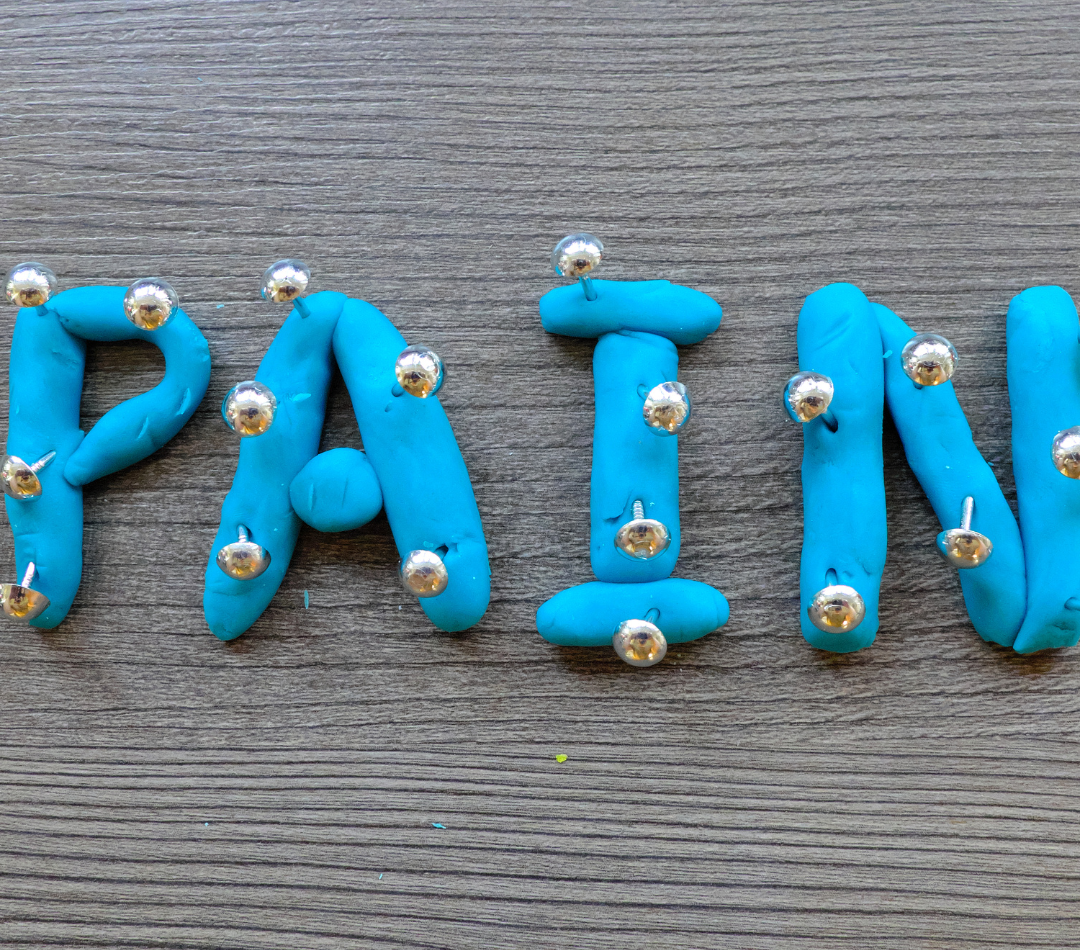
This article was inspired by a recent conversation with a parent during a sleep consultation. As we explored what might be contributing to their teenager’s sleep difficulties, they shared, “I think they’re in pain.” It reminded me how difficult these conversations can be. Pain can be incredibly hard to recognise, especially when someone finds it difficult to identify, describe or communicate what they’re experiencing. Yet it can have a profound impact on sleep, wellbeing and everyday life.
Pain is one of the most misunderstood experiences for many neurodivergent people.
We often think of pain as something that is obvious: someone cries, winces, points to where it hurts or asks for help. But pain doesn’t always look like that. It can be difficult to identify, difficult to communicate and sometimes even difficult to recognise within our own bodies.
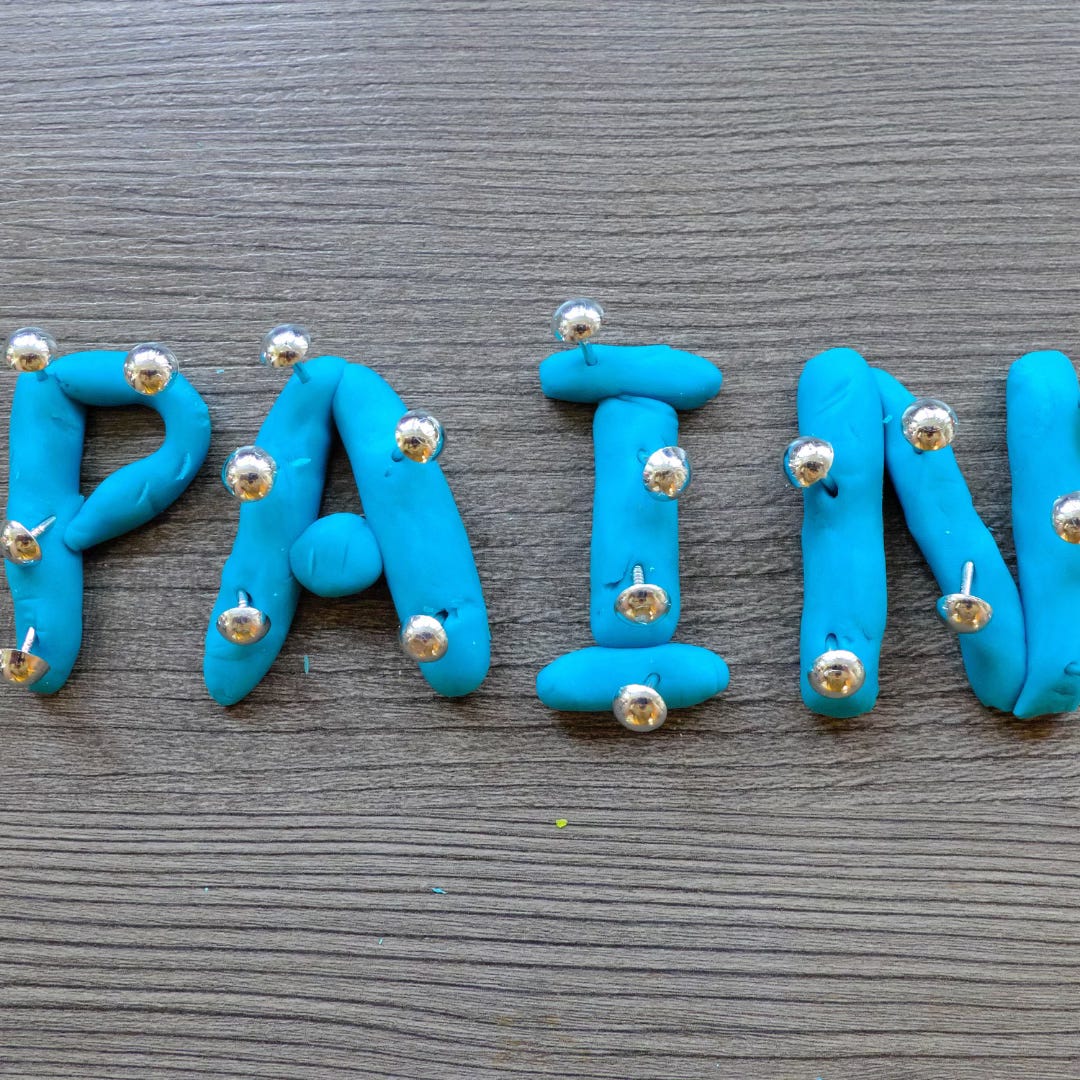
Image from Canva by tookitook from Getty Images
You may also be interested in some of my other health care blogs ‘Is Your Young Person Starting a New Medication?’ or ‘Questions to Ask Your Healthcare Provider About ADHD Medications’
Many neurodivergent people experience differences in interoception, the body’s ability to notice and interpret internal signals. This means that pain may be recognised much later than expected, feel overwhelming once it is noticed or be difficult to describe to someone else. A young person might not realise they have a headache until it becomes severe. Someone may continue walking on an injured ankle because they have not fully registered what their body is telling them. Others may struggle to tell whether they are hungry, anxious, unwell or in pain because these sensations can overlap.
Communication can add another layer of complexity.
Being unable to describe pain does not mean it isn’t there. Some people may not have the words in the moment. Others may communicate through behaviour, movement, facial expression or changes in their usual routines. A person who becomes quieter than usual, seeks more sensory input, withdraws from activities they normally enjoy or appears distressed may be communicating that something in their body doesn’t feel right.
Pain can also affect the nervous system in ways that aren’t immediately recognised. When someone is already working hard to process sensory information, social demands and daily expectations, pain can reduce the capacity they have left. Tasks that usually feel manageable may suddenly become impossible. Emotional regulation may become more difficult. Sensory experiences may feel more intense. What looks like a sudden change in behaviour may actually be a nervous system trying to cope with an additional physical burden.
For parents, carers and professionals, this means becoming curious rather than making assumptions.
It can help to ask questions like:
- Could they be in pain?
- Have they been able to communicate how they’re feeling?
- Has anything changed physically?
- Are there signs that their nervous system is working harder than usual?
Pain isn’t always caused by illness or injury either. Constipation, reflux, headaches, hypermobility, muscle fatigue, menstrual pain, dental problems, sensory discomfort or even prolonged masking can all contribute to genuine physical distress.
Most importantly, we should believe people when they tell us they are in pain, even if we can’t immediately see a cause. And when someone cannot tell us directly, we should stay open to the possibility that pain may be part of what we are seeing.
Pain deserves the same curiosity, compassion and attention as any other form of communication.
When we understand that pain doesn’t always present in expected ways, we become better able to recognise it and respond to it to support people in our lives.
Thank you for being here,
Laura Hellfeld
RN, MSN, PHN, CNL
Connect with me on social media
Instagram, Facebook LinkedIn and BlueSky
Signposting and Resources
- Flush Forward!: A Friendly Toileting Guide for Parents Supporting Disabled and Neurodivergent Young People
- Belonging First: Building Connection and Trust in the Primary Classroom
- Creating Safe Spaces for Autistic People
- Gabby’s Glimmers: An Affirming Story of an Autistic Child and their Favourite Food
- Is Your Young Person Starting a New Medication? Blog
- Questions to Ask Your Healthcare Provider About ADHD Medications, Blog
Last modified: 28 July 2026